

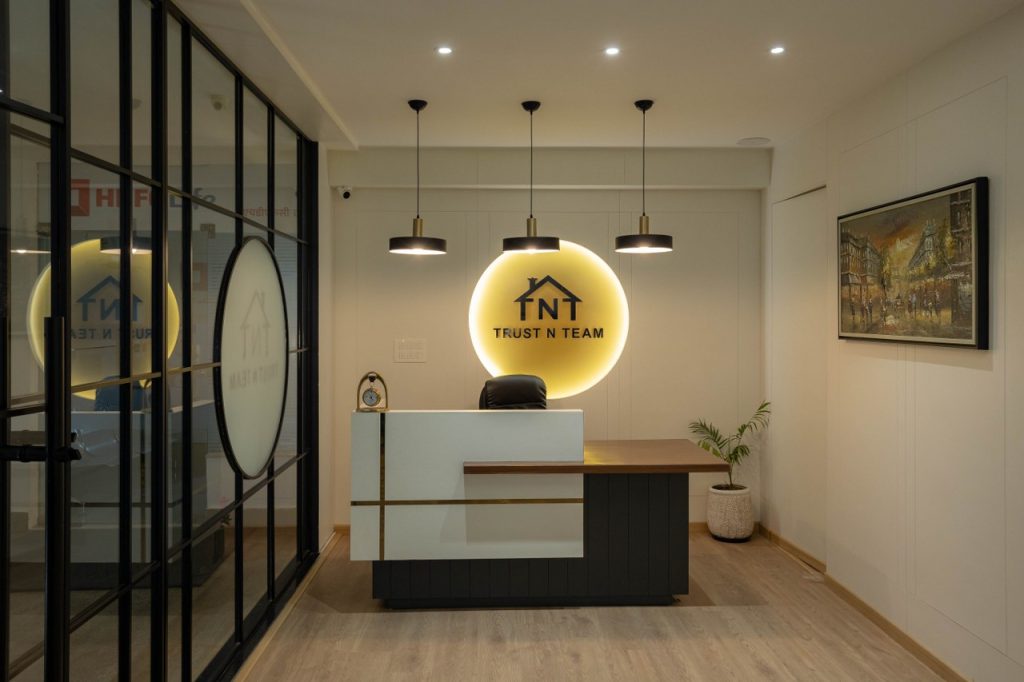
Office Interior Design Tips for Clinics, Wellness Centers, and Healthcare Startups
Creating the perfect environment for healthcare facilities requires a delicate balance between functionality, aesthetics, and patient comfort. Whether you're setting up a new practice or renovating an existing space, thoughtful clinic interior design can significantly impact patient experience, staff productivity, and overall business success.
Understanding the Unique Needs of Healthcare Spaces
Healthcare facilities have distinct requirements that differ from traditional office spaces. Dental clinic interior design, for instance, must accommodate specialized equipment while maintaining a calming atmosphere that reduces patient anxiety. Similarly, interior design for medical clinic settings must prioritize hygiene, accessibility, and efficient workflow while creating an environment that promotes healing and wellness.
The key to successful healthcare interior design lies in understanding that these spaces serve multiple purposes: they must be functional for medical procedures, comfortable for patients, and efficient for staff operations. This triple focus requires careful planning and expertise from experienced office interior designers in Bangalore who understand the unique challenges of healthcare environments.
Essential Design Principles for Healthcare Facilities
1. Prioritize Hygiene and Cleanliness
Healthcare spaces demand the highest standards of cleanliness. Choose materials that are easy to sanitize and maintain. Non-porous surfaces, antimicrobial coatings, and seamless flooring options help prevent bacterial growth and make cleaning more efficient Office interior design for healthcare startups should particularly focus on selecting materials that offer both durability and easy maintenance within budget constraints.
2. Optimize Natural Light and Ventilation
Natural light has proven therapeutic benefits and can significantly improve patient mood and recovery times. Design your space to maximize natural light while ensuring privacy through strategically placed frosted glass or window treatments. Proper ventilation is equally crucial for maintaining air quality and preventing the spread of infections.
3. Create Calming Color Schemes
Color psychology plays a vital role in healthcare environments. Soft, neutral tones like light blues, greens, and warm beiges create a calming atmosphere that reduces stress and anxiety. Avoid overly bright or stimulating colors that might increase patient discomfort. Dental clinic interior design particularly benefits from soothing color palettes that help patients relax during procedures.
4. Ensure Accessibility and Universal Design
Healthcare facilities must be accessible to all patients, including those with mobility challenges. Incorporate ramps, wide doorways, accessible restrooms, and appropriate seating options. Universal design principles ensure that your space serves patients of all ages and abilities effectively.
Specific Considerations for Different Healthcare Settings
Dental Clinics
Dental clinic interior design requires special attention to acoustics, as dental equipment can be noisy and anxiety-provoking. Incorporate sound-absorbing materials and consider background music systems. Create separate zones for different procedures, and ensure adequate storage for specialized equipment.
Medical Clinics
Interior design for medical clinic spaces should focus on creating efficient patient flow from reception through examination rooms. Design clear wayfinding systems, comfortable waiting areas, and private consultation spaces. Consider the specific needs of your medical specialty when planning room layouts and equipment placement.
Wellness Centers
Wellness centers benefit from biophilic design elements that connect occupants with nature. Incorporate plants, natural materials, and water features where appropriate. Create spaces that promote relaxation and mindfulness, with comfortable seating areas and soft lighting.
Technology Integration
Modern healthcare facilities rely heavily on technology. Plan for adequate electrical outlets, data connections, and equipment storage. Office interior design projects should consider future technology needs and design flexible spaces that can adapt to changing requirements.
Design dedicated areas for telemedicine consultations, ensuring proper lighting and acoustics for video calls. Incorporate cable management solutions to keep technology organized and accessible while maintaining a clean, professional appearance.
Maximizing Space Efficiency
Healthcare startups often work with limited space and budgets. Office interior design strategies can help maximize functionality without compromising patient comfort. Multi-functional furniture, vertical storage solutions, and flexible room dividers can help create the illusion of larger spaces while maintaining privacy and functionality.
Consider modular furniture systems that can be reconfigured as your practice grows. Efficient storage solutions keep medical supplies organized and easily accessible while maintaining a clutter-free environment.
Creating a Memorable Patient Experience
The physical environment significantly impacts patient satisfaction and loyalty. Design welcoming reception areas with comfortable seating, reading materials, and perhaps a children's corner for family-friendly practices. Ensure clear signage and wayfinding to reduce patient stress and confusion.
Private consultation areas should feel comfortable and non-clinical while maintaining professionalism. Consider artwork, plants, or other decorative elements that create a warm, approachable atmosphere without compromising hygiene standards.
Professional Expertise Matters
Successful healthcare interior design requires specialized knowledge of medical regulations, hygiene requirements, and patient psychology. Experienced office interior designers in Bangalore understand local building codes, healthcare regulations, and cultural preferences that impact design decisions.
Professional designers can help navigate the complex requirements of healthcare facilities while creating spaces that reflect your brand identity and values. They can also provide valuable insights into space planning, material selection, and technology integration.
About Voomet - Your Healthcare Interior Design Partner
When it comes to creating exceptional healthcare environments, Voomet stands out as a premier interior design firm specializing in medical and wellness facilities. With extensive experience in clinic interior design, dental clinic interior design, and interior design for medical clinic spaces, Voomet understands the unique challenges and opportunities in healthcare design.
Voomet's team of expert designers combines medical facility expertise with innovative design solutions to create spaces that enhance patient experience while supporting efficient operations. From office interior design projects for healthcare startups to large-scale medical facility renovations, Voomet delivers comprehensive design services tailored to your specific needs.
Contact Voomet:
📞 +91 9845014279, +91 8884000930
✉️ info@voomet.com
🌐 https://voomet.com/
📍 No. 166, Obandehalli Industrial Area, Doddaballapura, Bangalore, Karnataka.
Have any Questions
Frequently Asked Questions
Maintaining hygiene standards, ensuring accessibility, creating calming environments, optimizing natural light, and efficient workflows are key to successful healthcare design.
Focus on essentials: hygiene-friendly materials, functional layout, and modular furniture. Phased renovations also help manage costs.
Soft blues, greens, and neutrals help calm patients. Avoid overly bright or saturated colors in clinical areas.
Extremely important — natural light boosts mood, accelerates healing, and reduces stress. Privacy glass can ensure both openness and confidentiality.
It requires special soundproofing, tool storage, and calming design for anxiety-prone patients — all while maintaining workflow efficiency.
