

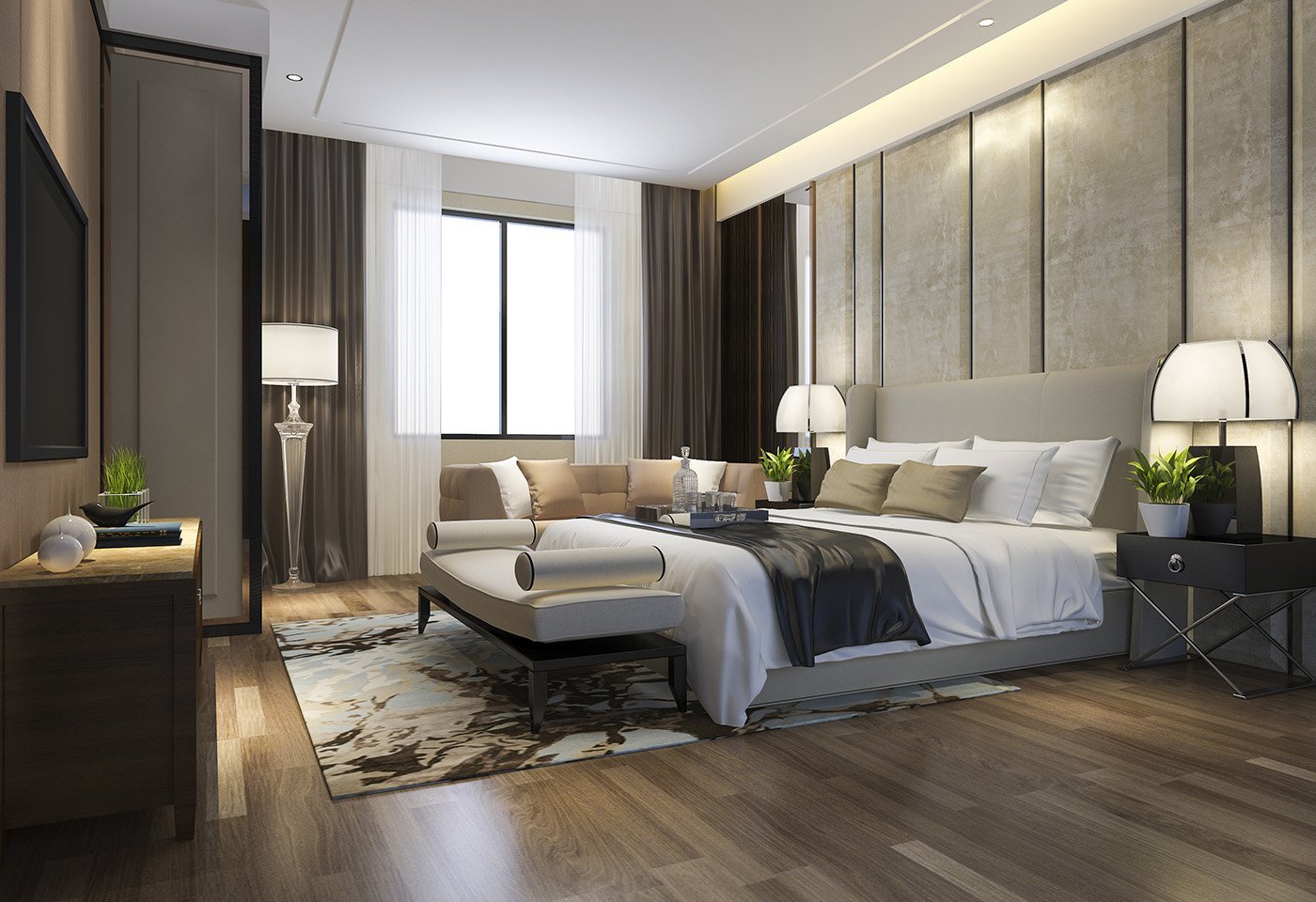
Interior Design for Hotels: Balancing Aesthetics, Comfort, and Functionality
The hospitality industry thrives on creating memorable experiences, and interior design plays a pivotal role in shaping guest perceptions from the moment they step through the doors. Hotel interior design is a complex art that requires striking the perfect balance between visual appeal, comfort, and practical functionality. This delicate equilibrium determines whether guests feel welcomed, relaxed, and eager to return.
The Art of First Impressions
The lobby serves as the heart of any hotel, setting the tone for the entire guest experience. Successful hotel interior designers understand that this space must make an immediate impact while remaining functional for check-ins, social gatherings, and navigation. The design should reflect the hotel's brand identity while creating an atmosphere that feels both luxurious and approachable.
Lighting plays a crucial role in establishing mood and ambiance. Strategic placement of ambient, task, and accent lighting creates depth and warmth, making spaces feel inviting rather than sterile. Natural light should be maximized during daytime hours, while evening lighting schemes should create intimate, cozy environments that encourage guests to linger and socialize.
Comfort as the Foundation
Guest rooms represent the most critical aspect of interior design for hotels, as they directly impact sleep quality and overall satisfaction. The bed remains the focal point, requiring careful consideration of mattress quality, bedding materials, and headboard design. Ergonomic furniture placement ensures easy movement around the room while providing adequate storage and workspace for business travelers.
Temperature control, sound insulation, and blackout capabilities are essential functional elements that support guest comfort. These technical considerations must be seamlessly integrated into the aesthetic design without compromising visual appeal. Smart room technology integration allows guests to customize their environment while maintaining the clean, uncluttered appearance that modern travelers expect.
Balancing Form and Function
Successful hotel design requires every element to serve multiple purposes. Coffee tables should provide surface space while offering hidden storage. Artwork should enhance ambiance while potentially serving as acoustic panels. Even decorative elements must withstand heavy use while maintaining their visual impact over time.
Durability becomes paramount in high-traffic areas like corridors, elevators, and public spaces. Materials must be selected not only for their aesthetic qualities but also for their ability to maintain appearance despite constant use. This requires expertise in commercial-grade furnishings, stain-resistant fabrics, and low-maintenance finishes that continue looking fresh between renovation cycles.
Design Excellence
Hotel interior designers in Bangalore bring unique advantages to hospitality projects, combining international design sensibilities with local cultural understanding. The city's position as India's technology hub means designers here are well-versed in integrating smart technologies seamlessly into traditional design frameworks.
Restaurant interior designers within hotels face additional challenges, creating dining spaces that complement the overall hotel aesthetic while establishing their own distinct identity. These spaces must facilitate efficient service flow while providing intimate dining experiences. Kitchen visibility, noise control, and flexible seating arrangements require specialized expertise that goes beyond standard hospitality design.
Sustainability and Future-Proofing
Modern hotel interior design increasingly emphasizes environmental responsibility without sacrificing luxury. Energy-efficient lighting systems, sustainable materials, and waste reduction strategies are becoming standard requirements rather than optional upgrades. Designers must select materials that minimize environmental impact while ensuring longevity and performance standards.
Future-proofing involves anticipating changing guest expectations and technological advances. Flexible spaces that can be easily reconfigured for different uses, universal design principles that accommodate diverse guest needs, and infrastructure that supports emerging technologies ensure hotels remain competitive over time.
Creating Memorable Experiences
The most successful hotel interiors tell stories that resonate with guests on emotional levels. Whether evoking local culture, historical significance, or contemporary innovation, design themes should be consistently applied throughout all spaces while allowing for variation in execution.
Color psychology influences guest behavior and mood, making palette selection crucial for different areas. Calming colors in guest rooms promote relaxation, while energizing colors in public spaces encourage social interaction. Understanding these psychological impacts allows designers to craft environments that naturally guide guest behavior and enhance satisfaction.
Professional Expertise Matters
Hotel interior design requires specialized knowledge that extends far beyond residential or commercial office design. Building codes, safety regulations, accessibility requirements, and operational efficiency standards all impact design decisions. Professional designers bring this expertise along with established relationships with contractors, suppliers, and craftspeople who understand hospitality industry demands.
The investment in professional design services pays dividends through increased guest satisfaction, positive reviews, higher occupancy rates, and premium pricing opportunities. Well-designed hotels create competitive advantages that extend far beyond initial construction costs.
Voomet Solutions: Balancing Quality, Efficiency, and Innovation
When it comes to exceptional interior design across diverse sectors, Voomet stands out as a leading design consultancy specializing in hotel interiors, office interior solutions, hospital & healthcare environments, service apartments, and educational spaces. With a proven track record of creating stunning, functional environments that exceed client expectations, Voomet combines innovative design concepts with practical implementation expertise.
Contact Voomet:
📞 +91 9845014279, +91 8884000930
✉️ info@voomet.com
🌐 https://voomet.com/
📍 No. 166, Obandehalli Industrial Area, Doddaballapura, Bangalore, Karnataka.
Have any Questions
Frequently Asked Questions
The timeline varies depending on hotel size and complexity, typically ranging from 6–18 months. Boutique hotels may be completed in 6–8 months, while larger properties need more time.
Durability, fire safety, maintenance needs, and sustainability are all key. Materials must meet aesthetic goals while withstanding high usage in hospitality settings.
Professional designers analyze operational needs and guest behavior. They select multi-functional elements that align with the overall aesthetic while meeting performance expectations.
Modern hotel design integrates smart room controls, fast Wi-Fi, mobile charging, and in-room entertainment—all built into a seamless, guest-friendly aesthetic.
Timeless core designs, easy-to-refresh accents, and ongoing maintenance help hotels stay stylish. Designers may offer future update plans as part of the project.
